SPIFFE: The Identity Standard for Autonomous AI and Non-Human Entities
As AI systems become more autonomous, traditional identity methods fall short. SPIFFE (Secure Production Identity Framework For Everyone) provides a robust, open-standard solution for issuing cryptographically verifiable identities to non-human actors like AI agents, microservices, and robots. This Q&A explores how SPIFFE works and why it's essential for securing agentic AI.
What is SPIFFE and how does it define workload identity?
SPIFFE, which stands for Secure Production Identity Framework For Everyone, is an open standard originally crafted for cloud-native microservices but now critical for any dynamic, non-human entity. At its heart, SPIFFE assigns a unique identity—called a SPIFFE ID—to each workload or process. This identity is cryptographically verifiable and doesn't rely on long-lived secrets like passwords or API keys. Instead, SPIFFE uses short-lived credentials that are automatically issued and rotated. This means every AI agent, robotic system, or microservice gets a verifiable proof of who it is, what it can do, and which trust domain it belongs to. By decoupling identity from human users, SPIFFE provides a secure, scalable foundation for workload authentication in cloud-native and agentic AI environments.
Why are traditional identity frameworks inadequate for AI agents?
Traditional identity systems were built around human users—they use passwords, tokens, or API keys that are static and long-lived. AI agents, however, are ephemeral: they can be spun up and destroyed in seconds. They operate across multiple clouds and organizations, often without direct human supervision. Static credentials create huge attack surfaces and are impractical for automated rotation. Moreover, conventional frameworks can't easily prove that an agent has the authority to perform specific actions in a zero trust model. SPIFFE overcomes these limitations by tying identity directly to the workload rather than a person. It supports automatic credential rotation, federation across trust domains, and cryptographic verification that works even when agents are transient. This makes SPIFFE a natural fit for securing autonomous, non-human actors.
How does SPIFFE support zero trust in multi-agent environments?
In a zero trust architecture, no entity—human or machine—is automatically trusted. Every interaction must be authenticated and authorized. SPIFFE enables this through mutual TLS (mTLS) between agents. When an AI agent wants to communicate with another agent, both present their SPIFFE IDs wrapped in short-lived X.509 certificates. This ensures that each side can cryptographically verify the other's identity before any data exchange. Because credentials are constantly rotated, even if one agent is compromised, the attacker cannot reuse stolen credentials for long. This dynamic, cryptographically enforced trust is crucial for preventing impersonation and unauthorized access in complex, multi-agent systems—such as a swarm of autonomous drones or a network of LLM-powered bots coordinating tasks.
What role does federation play in SPIFFE for cross-domain AI collaboration?
Federation allows SPIFFE identities to be validated across different trust domains—for example, when an AI agent from Company A needs to authenticate to a service in Company B. SPIFFE's federation model uses a bundle of trusted root certificates. Each domain shares its public key material with other domains it trusts. When an agent presents a SPIFFE ID from a foreign domain, the receiving system can verify the identity against the known federation bundle. This eliminates the need for shared secrets or manual onboarding services. For agentic AI systems that span multiple clouds, organizations, or even countries, this seamless cross-domain trust is essential. It enables secure collaboration between autonomous agents that may never have interacted before, all without sacrificing security or scalability.
How does SPIFFE manage dynamic identity lifecycles for ephemeral agents?
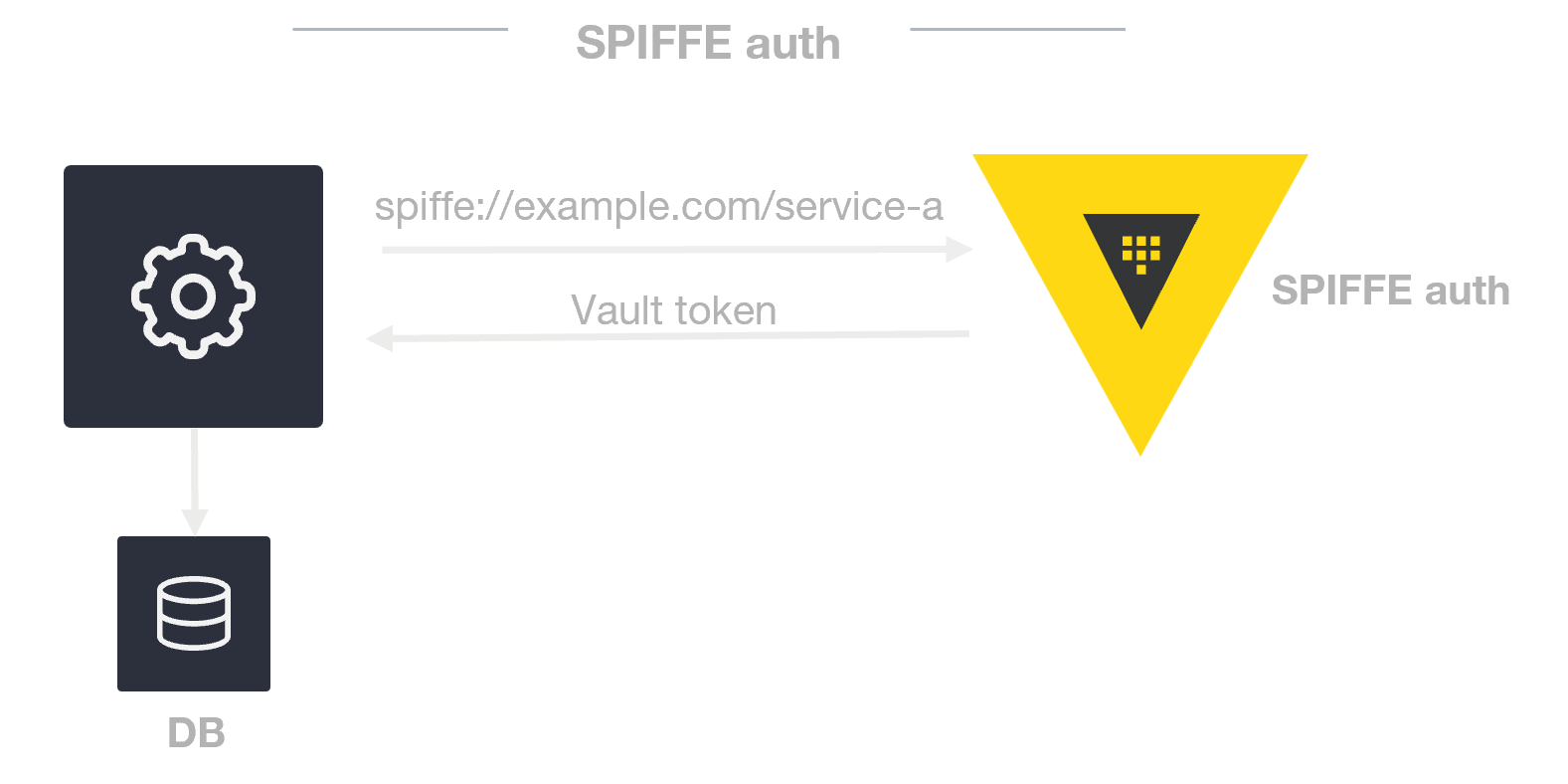
AI agents are often short-lived—they might be created for a specific task and then terminated. SPIFFE handles this with automatic workload attestation and certificate issuance. When a new agent starts, it contacts the SPIFFE Workload API, which verifies the agent's identity using platform-specific attestation (like a Kubernetes service account or cloud instance metadata). Upon successful attestation, the agent receives a short-lived SVID (SPIFFE Verifiable Identity Document). These SVIDs are valid for minutes or hours, not weeks. They are automatically rotated before expiry, and revocation is immediate when an agent is decommissioned. This tight lifecycle management reduces the risk of credential theft and ensures that even in highly dynamic environments, every identity is fresh and trustworthy.
Can you provide a use case of SPIFFE in a multi-agent system like smart city management?
Imagine a smart city where AI agents manage traffic lights, energy grids, and emergency response. These agents must coordinate in real-time. Each agent carries a unique SPIFFE ID that proves its role and authority. For example, a traffic management agent can authenticate itself to an energy grid agent using zero trust mTLS. If an emergency response agent needs to override traffic lights, it presents its SPIFFE ID, which includes claims proving its emergency authorization. All communication is encrypted and authenticated. When a new agent is deployed (e.g., for a special event), it automatically gets a SPIFFE ID and can federate across city departments or even with neighboring cities. Short-lived credentials mean that if an agent is compromised, its impact is limited. This use case illustrates how SPIFFE provides verifiable, federated, and dynamic identity for complex, multi-actor AI systems.