7 Astonishing Revelations from NASA's Mars Rover Panoramas
Introduction
NASA's Curiosity and Perseverance rovers have sent back breathtaking new panoramic views of the Martian surface. These sweeping images unveil two vastly different terrains, each with its own story of ancient water and billions of years of geological transformation. In this listicle, we break down seven key insights from these latest panoramas, exploring what they reveal about Mars' past and what they mean for future exploration. Dive into the details below.
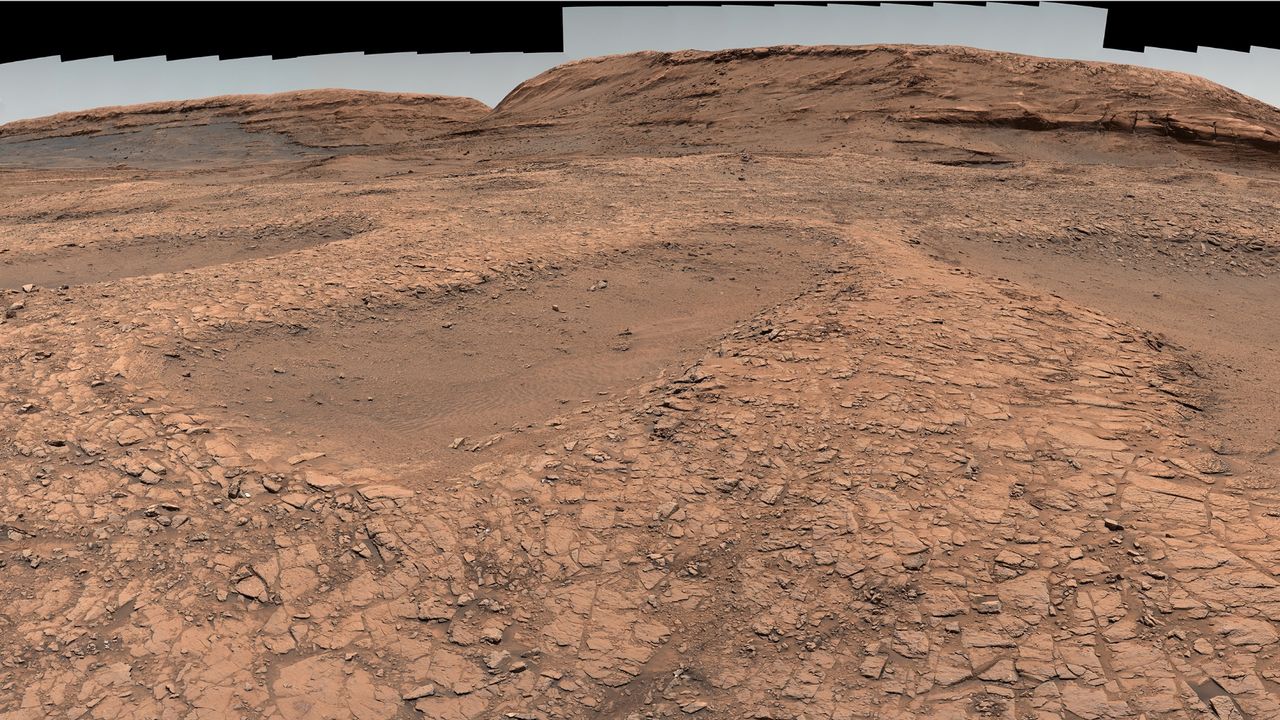
1. A Tale of Two Rovers: Curiosity vs. Perseverance
While both rovers are exploring Mars, their locations and missions are distinct. Curiosity has been roaming Gale Crater since 2012, focused on understanding habitable environments. Its new panorama captures the rugged, layered slopes of Mount Sharp. Meanwhile, Perseverance, which landed in Jezero Crater in 2021, is searching for signs of ancient life. Its panorama shows a flat, boulder-strewn landscape with a clear view of an ancient river delta. The contrast between these two panoramas is striking—one reveals a mountain built from sedimentary layers, the other a dried-up lakebed. Together, they offer a more complete picture of Mars' diverse geological history.
2. Ancient Water Shaped Both Terrains
The new images provide strong evidence that liquid water once flowed across Mars. Curiosity's panorama shows rounded pebbles and cross-bedded sandstone, classic signs of a river system. Perseverance's view reveals what looks like a fan-shaped delta, formed by sediment carried by water into an ancient lake. These features, captured in high resolution, confirm that both Gale and Jezero craters hosted bodies of water billions of years ago. This water may have been drinkable, making these regions prime targets for astrobiology. The panoramas allow scientists to study the remnants of these water bodies in stunning detail, from ripple marks to clay deposits.
3. Billions of Years of Geological Change Frozen in Time
The panoramas are geological time capsules. Curiosity's view of Mount Sharp shows layer upon layer of sedimentary rock, each representing a different epoch in Mars' history. The lowest layers are the oldest, while higher ones are younger, revealing changes in climate and volcanic activity. In contrast, Perseverance's panorama highlights impact craters, lava flows, and sand dunes that have reshaped the delta over eons. Scientists can date these features by counting craters and studying rock types. The images allow them to piece together a timeline: water, then drying, then wind erosion, then more impacts—a cyclical story that continues to unfold.
4. How the Rovers Capture These Sweeping Views
Creating these Mars panoramas is no simple feat. Both rovers use specialized cameras—Curiosity's Mastcam and Perseverance's Mastcam-Z—to take hundreds of overlapping images. These are stitched together on Earth to form seamless panoramas with incredible resolution. The rovers also adjust their white balance and exposure to compensate for Mars' dusty atmosphere and harsh sunlight. The result is a true-color or enhanced-color view that reveals details as small as a few millimeters. Each panorama can take weeks to plan, shoot, and process. The new images are among the clearest ever returned from Mars, offering virtual exploration for scientists and the public.
5. What the Panoramas Reveal About Mars' Climate Past
The rocks in Curiosity's panorama contain minerals like sulfates and clays, which form in water but under different chemical conditions. Sulfates suggest acidic water, while clays indicate more neutral pH. This hints at a changing climate: early Mars had abundant neutral water, but as it dried, the water became more acidic. Perseverance's panorama shows carbonate minerals in the delta, which are excellent at preserving biosignatures. These minerals record atmospheric conditions from the time they formed. By analyzing the panoramas, scientists infer that Mars once had a thicker atmosphere and a warmer climate, but lost most of it over billions of years. The rocks themselves are libraries of climate change.
6. Implications for the Search for Ancient Life
The new panoramas strengthen the case that Mars once harbored habitable environments. The ancient lake in Jezero and the river system in Gale could have supported microbial life. Perseverance is already collecting rock samples from its delta panorama, which will be returned to Earth by a future mission. Curiosity's images show organic molecules detected in mudstones, adding to the evidence. The sweeping views also help scientists identify the best spots to drill or sample. While no direct fossils are seen, the geological context—clear water, sediment, and minerals—suggests that life could have arisen. These panoramas are guiding the most detailed astrobiological survey of another planet ever attempted.
7. What Comes Next: Future Exploration Goals
The panoramas aren't just pretty pictures; they are roadmaps for future rovers and human missions. Curiosity will continue climbing Mount Sharp, aiming to reach higher, younger layers for more climate clues. Perseverance will explore the delta and the crater rim, collecting diverse samples. The data from these panoramas will help mission planners choose landing sites for future missions, like the Mars Sample Return campaign and potential human expeditions. The landscapes show us that Mars is not just a barren desert; it has resources like water ice and minerals that could sustain explorers. Each panoramic image brings us one step closer to understanding our planetary neighbor and preparing for human footprints on the red planet.
Conclusion
NASA's Curiosity and Perseverance rovers have once again expanded our view of Mars, revealing stunning panoramas that tell a story of ancient water, shifting climates, and billions of years of change. From the layered slopes of Mount Sharp to the fan-shaped delta in Jezero Crater, these images capture the raw beauty and scientific richness of the Red Planet. As the rovers continue their missions, the panoramas will serve as invaluable guides for discovery—and as a reminder of the endless wonders waiting to be explored.