7 Key Facts About Einride's Autonomous Electric Truck Deployment in Ohio
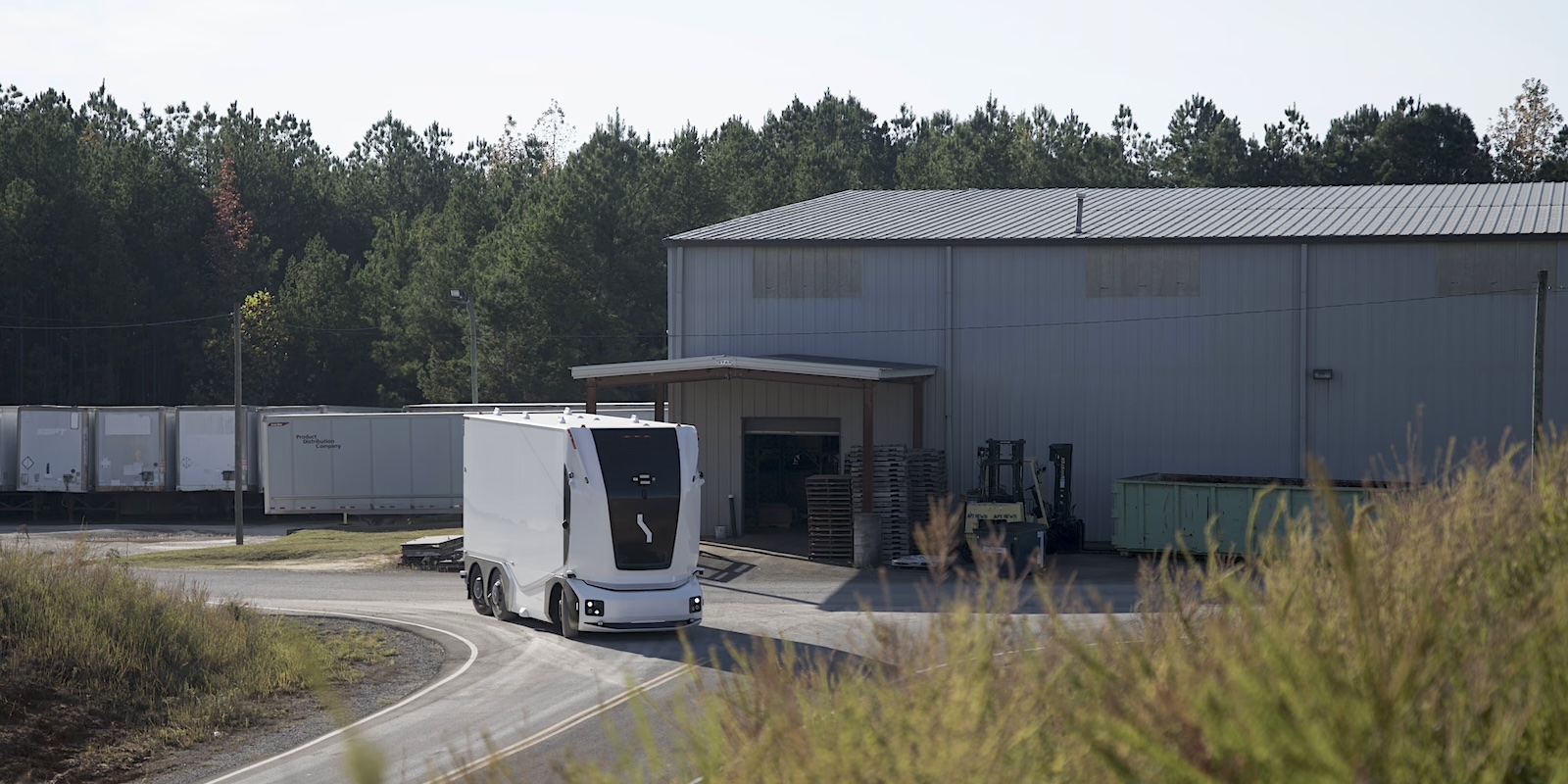
After a successful pilot in Europe, Swedish AI logistics company Einride is making waves in the United States by deploying its SAE Level 4 autonomous electric semi trucks on Ohio roads. This deployment is part of the DriveOhio Truck Automation Corridor Project and connects two EASE Logistics warehouses in Marysville, Ohio. Here are seven essential things you need to know about this groundbreaking initiative.
1. What Makes the Einride Truck Autonomous Level 4?
Einride's trucks operate at SAE Level 4 autonomy, meaning they can handle all driving tasks under specific conditions without human intervention. Unlike Level 5, which is fully self-driving everywhere, Level 4 is limited to geofenced areas—here, the corridor between two warehouses. The vehicle uses a combination of lidar, radar, cameras, and advanced AI to navigate roads, detect obstacles, and make real-time decisions. A remote operator can step in if needed, but the truck primarily drives itself. This level of automation reduces the need for a human driver inside the cab, allowing for more efficient freight transport. The electric powertrain also means zero tailpipe emissions, contributing to cleaner air along the route.
2. From European Pilot to Ohio Reality
Before arriving in Ohio, Einride's autonomous electric trucks underwent rigorous testing in Europe, where the company demonstrated its technology on public roads in Sweden and other countries. Those pilots proved the system's reliability and safety, allowing Einride to expand across the Atlantic. The move to Ohio is not random—the state's DriveOhio initiative actively promotes smart mobility solutions, making it an ideal testing ground. This cross-continental leap shows that autonomous trucking is no longer a distant concept but a practical solution ready for real-world logistics. The lessons learned in Europe helped refine the AI algorithms, vehicle design, and operational protocols, ensuring a smooth deployment in the US.
3. The DriveOhio Truck Automation Corridor Project
The DriveOhio Truck Automation Corridor Project is a state-funded effort to create a dedicated route for autonomous commercial vehicles. It aims to accelerate the adoption of self-driving trucks by providing infrastructure support, data sharing, and regulatory clarity. Einride's deployment is a key part of this corridor, linking locations in Marysville. The project encourages partnerships between tech companies, logistics providers, and government agencies to test and validate autonomous systems. By participating, Einride gains access to real-world traffic conditions, while Ohio gathers insights on how autonomous trucks interact with road infrastructure, other vehicles, and pedestrians. This collaboration helps pave the way for broader autonomous freight operations nationwide.
4. EASE Logistics: A Strategic Partner
EASE Logistics is a major logistics and warehousing firm based in Ohio. The company operates two key warehouses in Marysville, which are now connected by Einride's autonomous electric trucks. By partnering with Einride, EASE Logistics aims to improve efficiency, reduce costs, and lower its carbon footprint. The autonomous trucks can run multiple times per day without driver rest breaks, increasing throughput. EASE also benefits from real-time tracking and data analytics provided by Einride's platform. This collaboration demonstrates how traditional logistics companies can integrate cutting-edge technology to stay competitive. The success of this partnership could encourage other logistics firms to adopt similar solutions, accelerating the shift toward autonomous, electric freight transport.
5. How the Truck Connects Warehouses in Marysville
The deployment involves a dedicated route between two EASE Logistics warehouses in Marysville, Ohio. This short-haul corridor is ideal for Level 4 autonomy because it features controlled access roads and predictable traffic patterns. The trucks transport goods back and forth, eliminating the need for human drivers on this repetitive loop. Each trip is monitored by a remote operations center that can intervene if necessary. The trucks also communicate with traffic signals and other infrastructure along the route, optimizing speed and energy consumption. This focused deployment allows Einride to collect valuable data while providing tangible benefits to EASE, such as 24/7 operation capability and reduced labor costs. It's a practical showcase of how autonomous electric trucks can handle real logistics tasks today.

6. Environmental Impact of Electric Cargo Trucks
Einride's trucks are fully electric, producing zero tailpipe emissions. This is crucial for reducing the carbon footprint of freight transport, which is a major source of greenhouse gases. The Ohio deployment uses electricity from the grid, and Einride is exploring ways to source renewable energy for its operations. Compared to diesel trucks, electric semi trucks also reduce noise pollution, making them suitable for night-time deliveries in residential areas. The environmental benefits extend beyond just the vehicle: by optimizing driving patterns and load factors through autonomy, energy efficiency improves further. According to Einride, their solutions can cut CO2 emissions by up to 90% compared to traditional diesel trucks, depending on the energy mix. This aligns with broader corporate sustainability goals for companies like EASE Logistics.
7. Future Implications for US Freight Transport
The successful deployment in Ohio could serve as a blueprint for autonomous freight corridors across the United States. If this pilot proves safe and cost-effective, it may encourage other states to invest in similar infrastructure and regulations. Companies like Einride are already eyeing expansions to other routes, possibly connecting major distribution hubs. The combination of autonomy and electrification addresses two key challenges in logistics: driver shortage and environmental impact. However, challenges remain, including public acceptance, weather conditions, and cybersecurity. The Ohio project will help answer critical questions about scalability and reliability. As autonomous technology matures, we can expect to see more driverless electric trucks on highways, transforming how goods move around the country.
Einride's deployment in Ohio is a landmark moment for autonomous electric trucking. It demonstrates that Level 4 self-driving trucks can operate safely in real-world logistics, reduce emissions, and improve efficiency. With strong partnerships and supportive infrastructure, this project could pave the way for a cleaner, smarter freight network worldwide.