How Coal Emissions Dim Solar Panel Performance: New Research Reveals Substantial Losses
A groundbreaking study conducted by researchers at the University of Oxford and University College London (UCL) has delivered a stark warning: coal pollution is significantly curbing the electricity output of solar photovoltaic (PV) installations. The findings underscore an ironic twist in the clean energy transition—the very fossil fuel that solar aims to replace is actively undermining its efficiency.
\n\nThe Study: Quantifying Pollution’s Impact on Solar Yield
\n\nThe collaborative research effort analyzed real-world solar PV performance data alongside atmospheric measurements. By cross-referencing energy output with local coal pollution levels, the team isolated the negative effect of particulate matter and other emissions on solar generation. The study is among the first to provide a large-scale, empirical quantification of this phenomenon.

Methodology and Findings
\n\nUsing satellite-derived aerosol optical depth (AOD) data and ground-level pollution monitoring, the researchers modeled the reduction in sunlight reaching solar panels. Key findings include:
\n\n- \n
- Average output reduction: Coal pollution causes a measurable drop in solar PV energy production, ranging from 5% to 15% in heavily polluted regions. \n
- Seasonal variation: The impact is most severe during winter and early spring when thermal inversions trap pollution close to the ground. \n
- Regional hotspots: Areas downwind of major coal-fired power plants experience the greatest losses—sometimes exceeding 20% during peak pollution events. \n
The study’s methodology corrected for other variables such as cloud cover and panel angle, ensuring the observed reductions are attributable to pollution rather than weather patterns alone.
\n\nWhy Coal Pollution Harms Solar Panels
\n\nCoal combustion releases fine particulate matter (PM2.5 and PM10), sulfur dioxide (SO₂), nitrogen oxides (NOₓ), and black carbon. These pollutants interact with sunlight in two primary ways:
\n\nAerosols and Light Scattering
\n\nParticulate matter scatters and absorbs solar radiation before it reaches the Earth’s surface. This reduces the direct normal irradiance (DNI) that high-efficiency solar panels rely on. Even diffuse light—which some panels capture—is diminished because aerosols alter the sky’s radiance distribution. The result is less total energy available for conversion into electricity.
\n\nAdditionally, black carbon (soot) absorbs sunlight, warming the atmosphere and further reducing the amount of energy reaching ground-level panels. This creates a feedback loop: more coal burning → more soot → less solar output → greater reliance on coal.
\n\nImplications for Solar Energy Forecasting
\n\nThe research has practical consequences for solar farm operators and grid managers. Current forecasting models often treat pollution as a minor or static factor. This study shows that pollution-driven variability must be incorporated into energy yield predictions, especially in regions with high coal dependence.
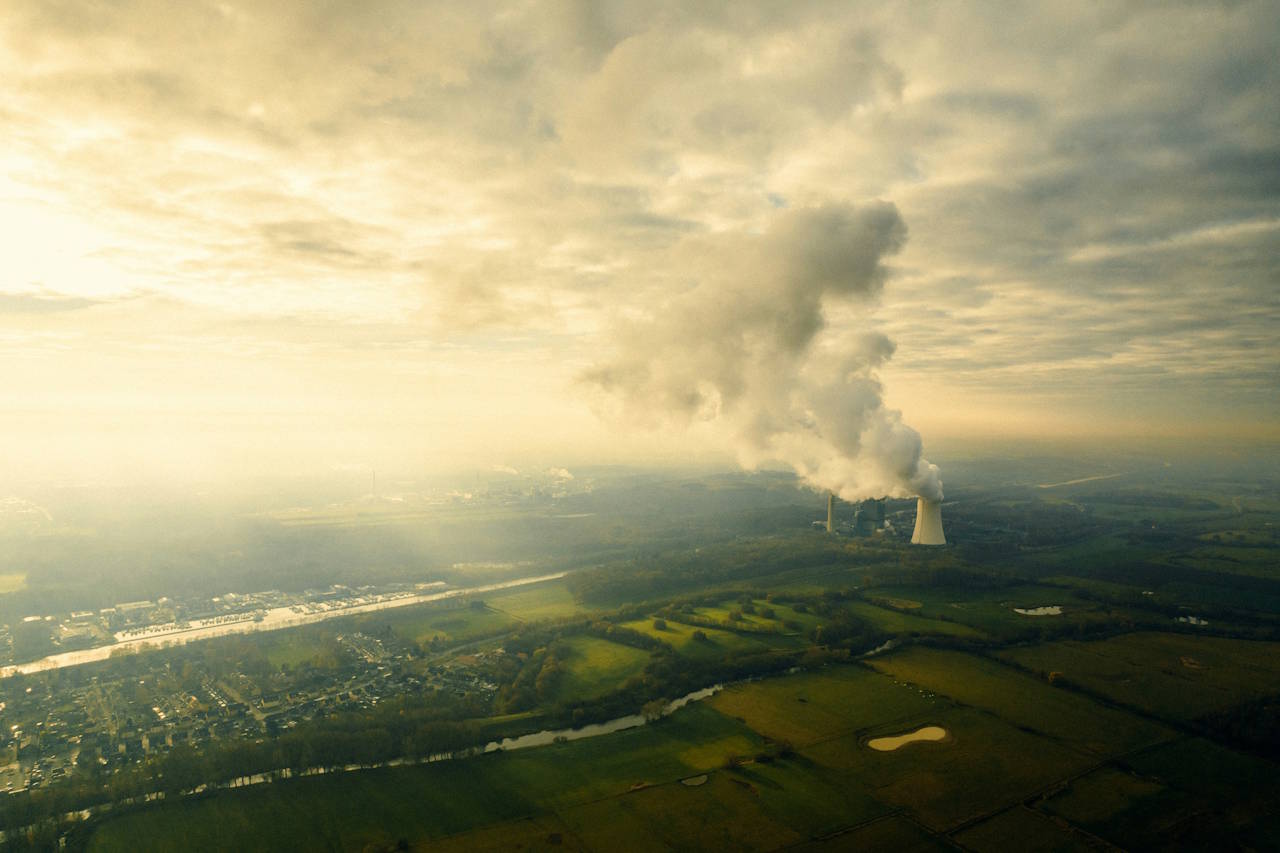
For example, a solar park in northern India or eastern China—where coal plants are abundant—might underperform by 10% or more compared to a site with clean air. Over a 25-year project lifespan, this translates into significant revenue loss and may affect the financial viability of new installations.
\n\nTo learn more about optimizing solar panel placement, see our guide on site selection best practices.
\n\nMitigation and Policy Recommendations
\n\nThe study’s authors urge policymakers to consider this synergy between air quality and renewable energy. Key recommendations include:
\n\n- \n
- Accelerate coal phase-out: Reducing coal combustion not only cuts CO₂ but also boosts the efficiency of existing solar assets—a double dividend for climate action. \n
- Include pollution in resource assessments: Solar resource maps and feasibility studies should factor in local aerosol loads. \n
- Encourage distributed solar near pollution sources: Rooftop solar in urban areas may be less affected because panels are closer to the ground where pollution is densest? Actually, rooftop panels are still under the same air column. However, deploying solar in cleaner rural areas can maximize yield. \n
- Invest in panel cleaning technology: Dust and soot accumulate on panel surfaces, but that is a separate issue. The study’s focus is atmospheric pollution, not soiling. Still, regular cleaning can recover some losses. \n
For more on how air quality affects renewable energy infrastructure, explore impacts on wind and hydropower.
\n\nConclusion
\n\nThe Oxford-UCL study adds a critical dimension to the debate over fossil fuel subsidies and the true cost of coal. By showing that coal pollution directly hampers solar energy production, it strengthens the case for a rapid and just transition to clean energy sources. As more countries install solar capacity, ensuring that the air is clean enough to let the sunshine through becomes an increasingly urgent priority.