Cannabis Dangers for Seniors: Stanford Doctors Warn of Potent Modern Strains
Cannabis Use Skyrockets Among Older Adults—But Modern Potency Poses Serious Risks
Stanford, CA – A sharp rise in cannabis use among Americans aged 65 and older is colliding with a dangerous reality: today’s marijuana is far more potent than older generations expect. Stanford Medicine researchers have identified five critical risks for seniors, including heightened chances of heart problems, falls, memory impairment, dangerous drug interactions, and addiction.
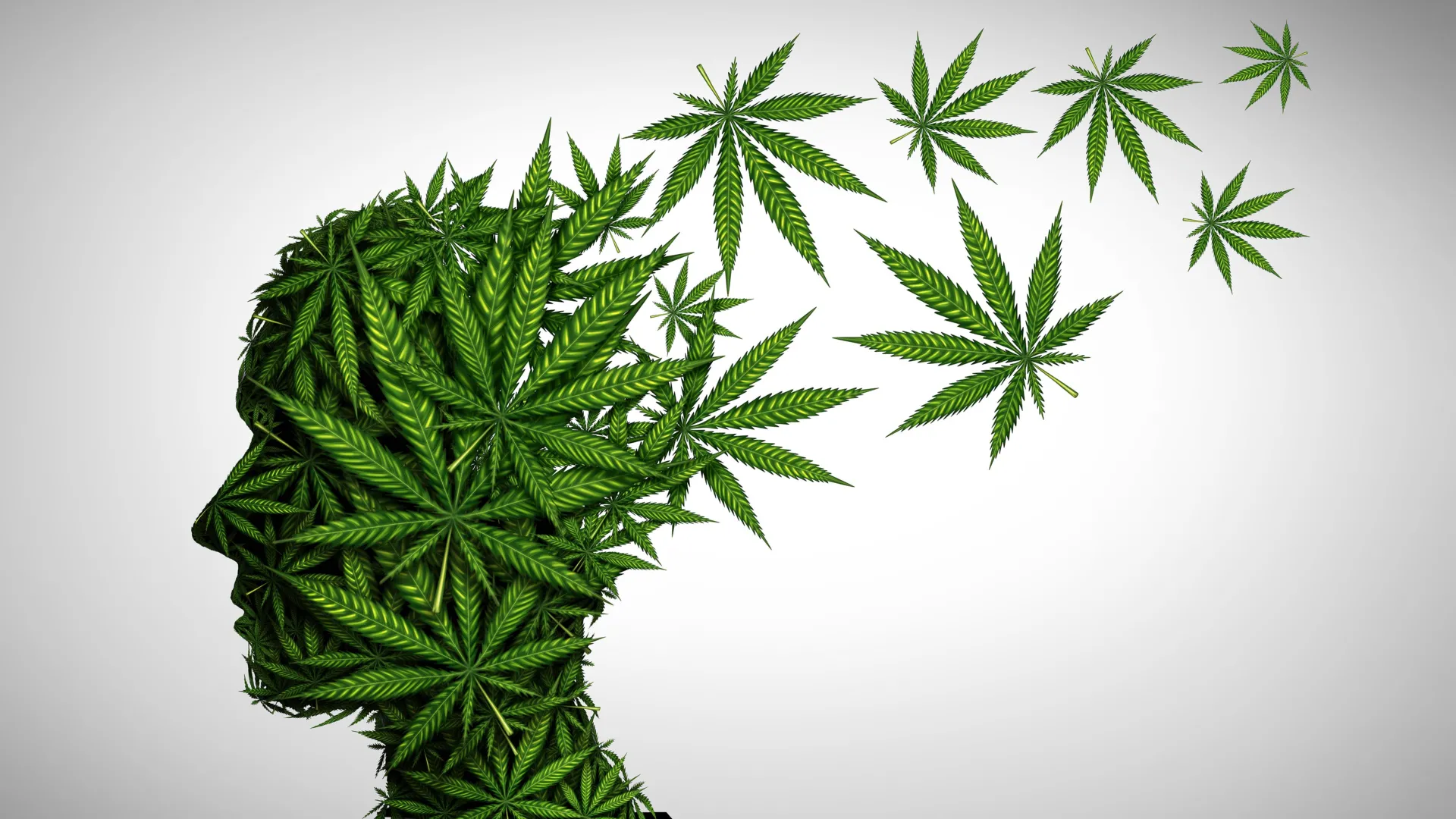
“Many older adults assume cannabis is as mild as it was in the 1970s, but modern strains can be three to five times stronger,” said Dr. Elena Torres, a geriatric specialist at Stanford Health Care. “That level of THC significantly increases the risk of adverse events in an aging body.”
The warning comes as data shows cannabis use among those over 65 doubled between 2015 and 2020, with nearly 8% now reporting regular use. Many turn to marijuana for chronic pain, sleep issues, or anxiety—often without consulting a doctor.
Heart and Fall Risks Surge With Potent Cannabis
Stanford’s analysis of multiple studies found that high-THC cannabis can trigger tachycardia, arrhythmias, and even heart attacks in seniors with underlying cardiovascular conditions. “The heart can’t handle the sudden spike in heart rate and blood pressure,” Dr. Torres explained. “For someone over 65, especially if they have hypertension, this is a real danger.”
Falls are another major concern. Cannabis impairs balance and coordination, and a single use can double the risk of a fall in older adults, according to the review. Combined with medications like blood thinners or sedatives, the risk multiplies.
Memory, Drug Interactions, and Hidden Addiction
Short-term memory loss is well-documented, but Stanford notes that chronic use may accelerate cognitive decline in seniors already vulnerable to dementia. “Older brains are more sensitive to THC’s effect on the hippocampus, which governs memory,” said Dr. Kevin Park, a neurologist on the research team.
Drug interactions pose another layer of danger. Cannabis can interfere with common prescriptions such as statins, warfarin, and antidepressants. “Patients often don’t know that cannabis affects how their liver metabolizes medications, leading to toxic levels or reduced efficacy,” Dr. Park added.
Addiction, often dismissed as a youthful problem, is also rising in the geriatric demographic. “We’re seeing more seniors with cannabis use disorder, many of whom started using later in life and didn’t recognize the signs of dependency,” Dr. Torres said.
Background: Why Seniors Are Turning to Cannabis
Legalization and destigmatization have made marijuana more accessible, especially in states where medical cannabis is legal. Many older adults seek alternatives to prescription opioids or over-the-counter sleep aids, believing marijuana is natural and therefore safe. However, the potency of edibles, vapes, and flower sold in dispensaries is often mislabeled, with actual THC levels far exceeding stated amounts.
Compounding the issue, federal restrictions have limited research on cannabis in senior populations. Most existing studies focus on younger users, leaving a knowledge gap that doctors and patients must navigate with caution.
What This Means for Older Adults and Their Caregivers
Stanford experts urge that any older adult considering cannabis should have a thorough medication review and discuss risks with a geriatrician. “Don’t self-medicate without understanding the potential for falls, heart issues, or interactions,” Dr. Torres stressed. “Start low, go slow—but ideally under medical supervision.”
For caregivers, the findings highlight the need to ask about cannabis use during health assessments. Many seniors do not voluntarily disclose marijuana use due to stigma or perceived safety. Simple screening questions could prevent emergency room visits.
Public health campaigns should also address the myth that ‘natural equals safe.’ The Stanford team recommends clear labeling of THC content and warnings tailored to older consumers. “This is an urgent call for education and regulation,” Dr. Park concluded. “The risks are real, but they are manageable with proper guidance.”