Pennsylvania AI Data Center Controversy: Residents Push Back Against Governor Shapiro
In recent months, Pennsylvania residents have voiced strong opposition to the proliferation of artificial intelligence data centers across the state. During a two-hour town hall meeting, locals criticized Governor Josh Shapiro, claiming he is pushing these projects through without meaningful community input. While Shapiro has introduced policies aimed at balancing economic development with public welfare, many residents feel they are being “bulldozed” and that the governor is losing his support base. Below are key questions and detailed answers exploring the tensions around AI data centers in Pennsylvania.
Why Are Pennsylvania Residents Angry About AI Data Centers?
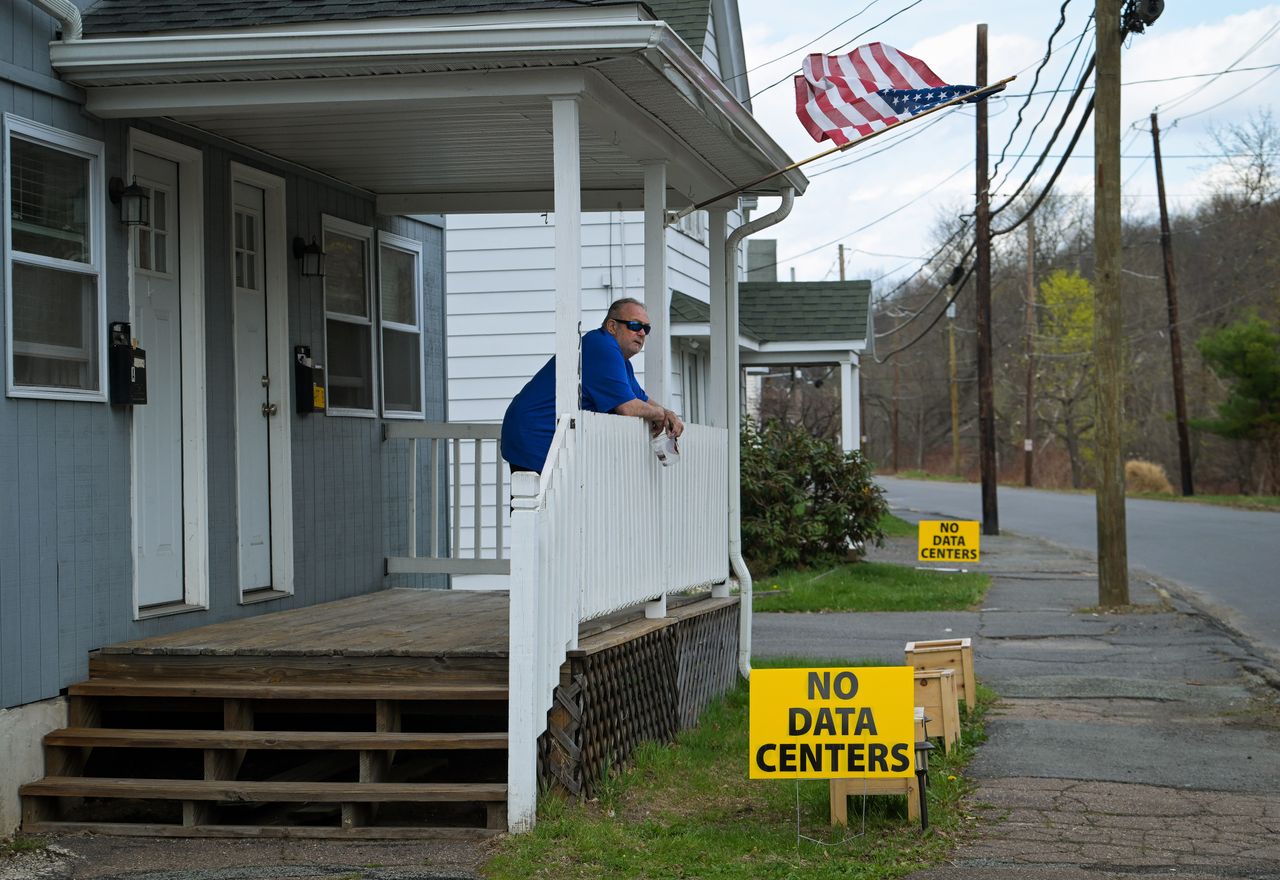
Residents are upset because they believe Governor Shapiro is prioritizing large-scale AI data center projects over the well-being of local communities. These facilities require massive amounts of electricity, water, and land, which can strain local resources and raise utility costs. During the town hall, attendees complained that they were not given enough opportunity to voice concerns before projects were approved. Many feel the process has been rushed and opaque, leaving them with no real say in decisions that affect their neighborhoods. The perception is that the governor is courting big tech companies at the expense of everyday Pennsylvanians, leading to a growing sense of betrayal.
What Policies Has Governor Shapiro Proposed to Address Concerns?
Governor Shapiro has introduced several policies intended to strike a balance between economic development and public welfare. These include environmental impact assessments, local hiring requirements, and incentives for data centers to use renewable energy. He has also set up community advisory boards in some areas to gather feedback. However, residents argue these measures fall short. They claim the policies are too weak to prevent negative impacts like increased air pollution from backup generators and higher water usage. Critics say the governor talks about balance but in practice lets developers fast-track projects. The town hall revealed a deep distrust, with many feeling that the policies are merely window dressing.
What Specific Complaints Did Residents Raise at the Town Hall?
At the two-hour town hall, residents listed several grievances. They said data centers threaten local water supplies, especially in drought-prone areas. Noise from cooling systems and traffic during construction were also major issues. Many worried about rising electricity bills, as data centers consume massive power, potentially driving up rates for homes and small businesses. Additionally, residents lambasted the governor for not engaging directly with affected communities. One person stated, “We are being bulldozed,” echoing a common sentiment that their voices are ignored. The meeting became heated, with attendees calling on Shapiro to halt new projects until a thorough community review is conducted.
How Are AI Data Centers Different from Traditional Data Centers?
AI data centers are far more energy and water intensive than traditional ones because they run advanced machine learning models that require constant, powerful computation. These facilities can consume gigawatts of electricity and millions of gallons of water daily for cooling servers. In Pennsylvania, this places extra strain on aging power grids and water systems already under pressure. Residents fear that the rapid expansion of AI-specific centers will worsen environmental impacts and reduce quality of life. Unlike standard data centers, AI hubs often need to operate 24/7 without interruption, making them less flexible in adjusting to local grid demands. This difference amplifies community concerns about sustainability and fairness.
Why Might Governor Shapiro Be Losing His Support Base Over This Issue?
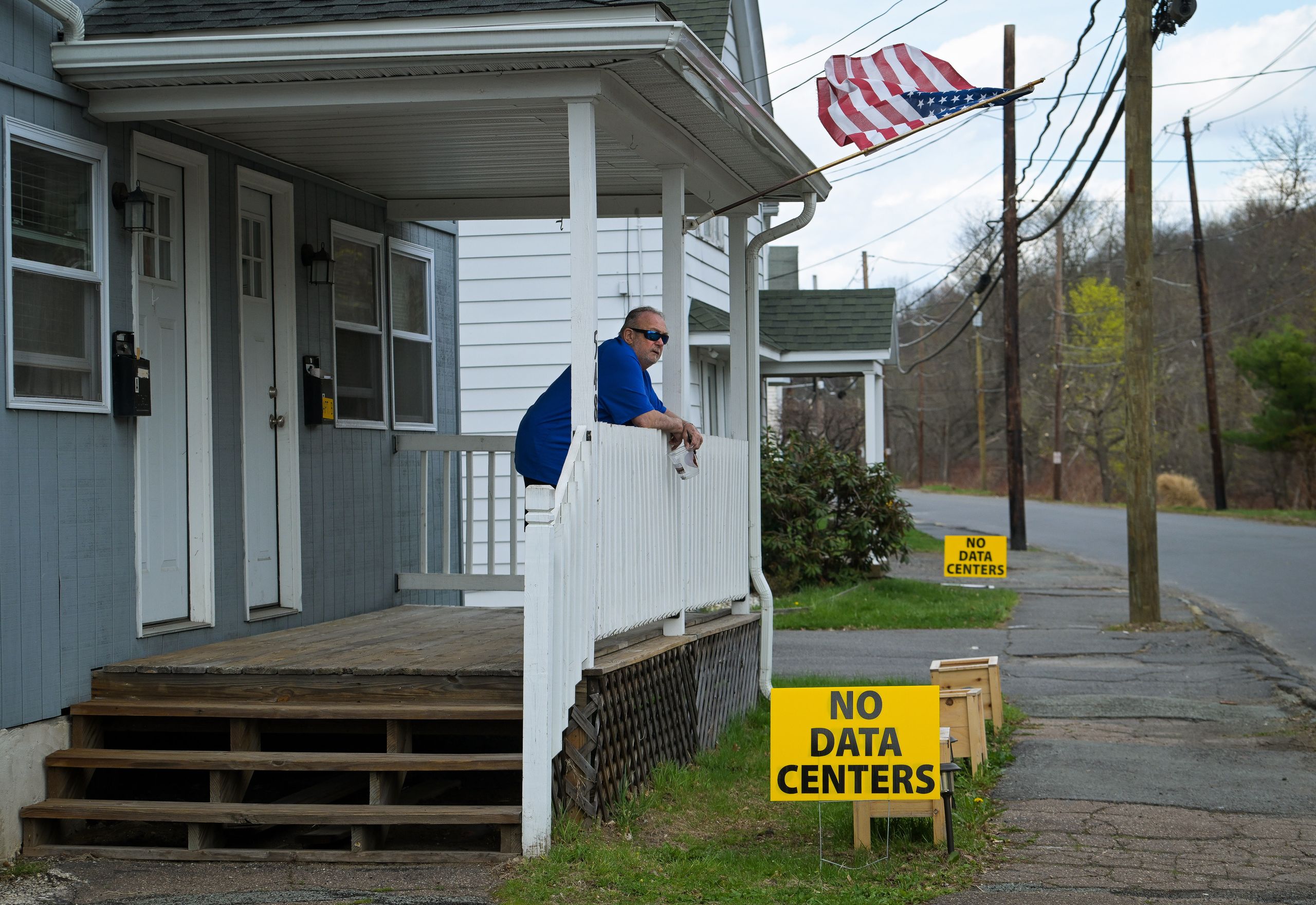
The governor campaigned on a platform of listening to communities and investing in sustainable jobs. However, the perceived lack of transparency around data center approvals has eroded trust among his core supporters, including environmental advocates, rural residents, and labor unions. Many now view his policies as too corporate-friendly. The town hall highlighted this shift: previously loyal voters expressed disappointment and frustration. If these sentiments spread, Shapiro could face challenges in future elections, especially in swing districts. The controversy also gives political opponents a strong talking point. Without a clear course correction—such as pausing new permits or doing a statewide impact study—the governor risks further alienating the very base that helped elect him.
What Are the Key Demands of Residents Opposing Data Centers?
Residents have coalesced around several demands. First, they want a moratorium on new AI data center construction until a comprehensive environmental and social impact study is completed. Second, they insist on mandatory community consent processes, where local votes can block or modify projects. Third, they ask for utility rate protections so that residential customers do not subsidize data center power usage. Fourth, they require stricter water conservation plans and limits on groundwater withdrawals. Finally, they want transparent public hearings with genuine accountability from developers and state officials. These demands were repeated throughout the town hall and represent a unified push to reclaim local control over industrial development.