10 Harsh Realities of Dying in Space: Separating Sci-Fi from Science
Hollywood loves to dramatize death in space with explosive decompressions, instant freezes, and dramatic asphyxiations. But the real science behind perishing in the void is both more subtle and more terrifying. Here are ten ways space can actually kill you—and how science fiction often gets it spectacularly wrong.
1. Vacuum Exposure – No Explosions, Just Silence
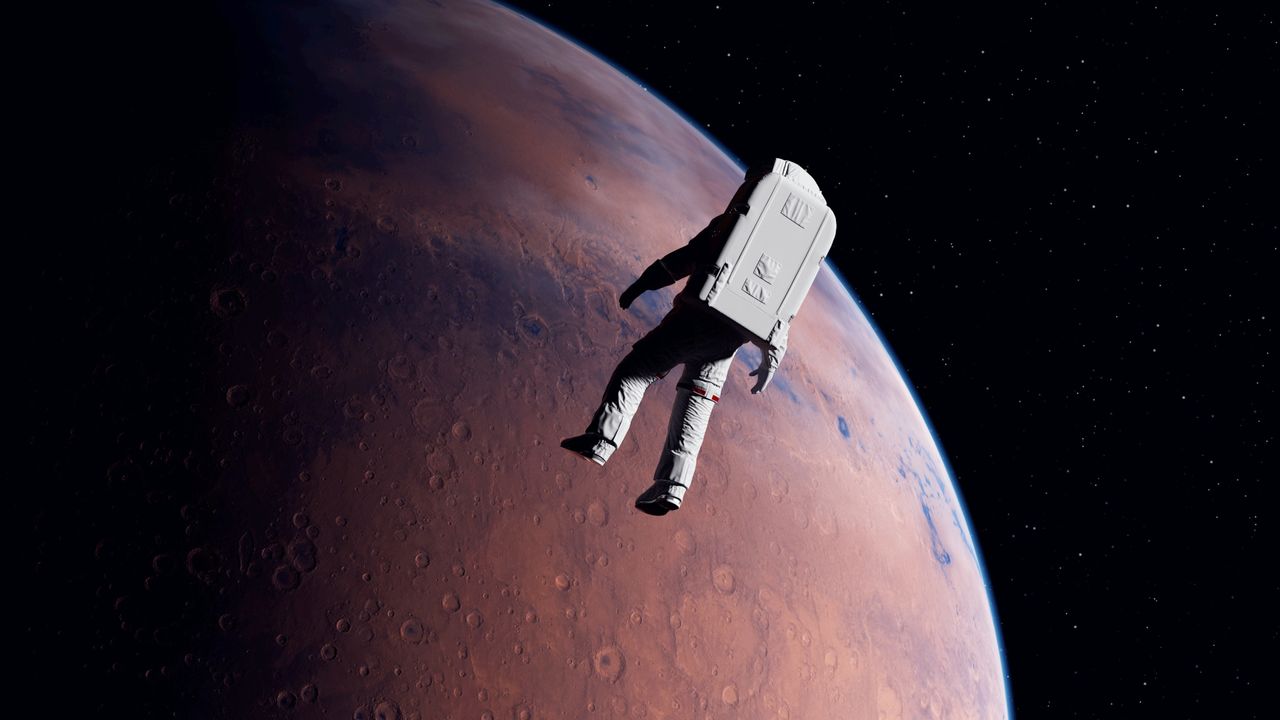
Science fiction often shows a human exploding when exposed to the vacuum of space. In reality, your skin and connective tissue are strong enough to hold your body together. The immediate danger is the lack of pressure. Within seconds, water on your tongue and eyes begins to boil, and you quickly lose consciousness from oxygen deprivation. You don't explode—you simply go silent and still.
2. Asphyxiation – The True Silent Killer
Contrary to movies where characters hold their breath and survive for minutes, the reality is brutal: you only have about 15 seconds of useful consciousness after sudden decompression. Your lungs would rupture if you tried to hold your breath. The actual cause of death is hypoxia—lack of oxygen to the brain. If rescued within 60–90 seconds, full recovery is possible. Otherwise, brain death follows swiftly.
3. Ebullism – When Your Bodily Fluids Boil
At near‐vacuum pressure, the boiling point of water drops to body temperature. This means your blood, saliva, and other fluids begin to bubble and vaporize. Ebullism causes extreme swelling and can block circulation. Science fiction rarely shows this grotesque effect, preferring neat, bloodless deaths. In reality, any exposed moisture instantly turns to gas, distorting your appearance before you lose consciousness.
4. Temperature Extremes – Slow Freeze or Slow Burn
Movies depict instant freezing, but space is a vacuum—there is no medium to carry heat away quickly. In direct sunlight, you would actually overheat due to absorbed radiation, while in shadow you would slowly radiate heat into the cold void. The real danger isn't instant ice but a gradual thermal imbalance that takes hours to kill, far longer than the few minutes of oxygen you have left.
5. Radiation Poisoning – The Invisible Threat
Science fiction often ignores the deadly radiation belts and solar flares that surround Earth. Without a spacesuit or craft, you would receive a lethal dose of ionising radiation within minutes in some orbits. This damages DNA, causing acute radiation sickness. Hollywood tends to skip this silent killer in favour of more dramatic visual effects, but it is one of the most real and immediate dangers of space travel.
6. Micrometeoroids – Tiny Bullets
In films, ship hulls are punctured with loud bangs. In reality, micrometeoroids—tiny particles travelling at hypervelocity—can penetrate your suit silently. The pressure loss is sudden, and the wound may be small but deadly. Because of their speed, they can also cause secondary shrapnel. Space agencies design multi‐layer shielding to protect against these unseen projectiles, but a direct hit to an astronaut's suit is almost always fatal.
7. Decompression Sickness – The Bends Without Water
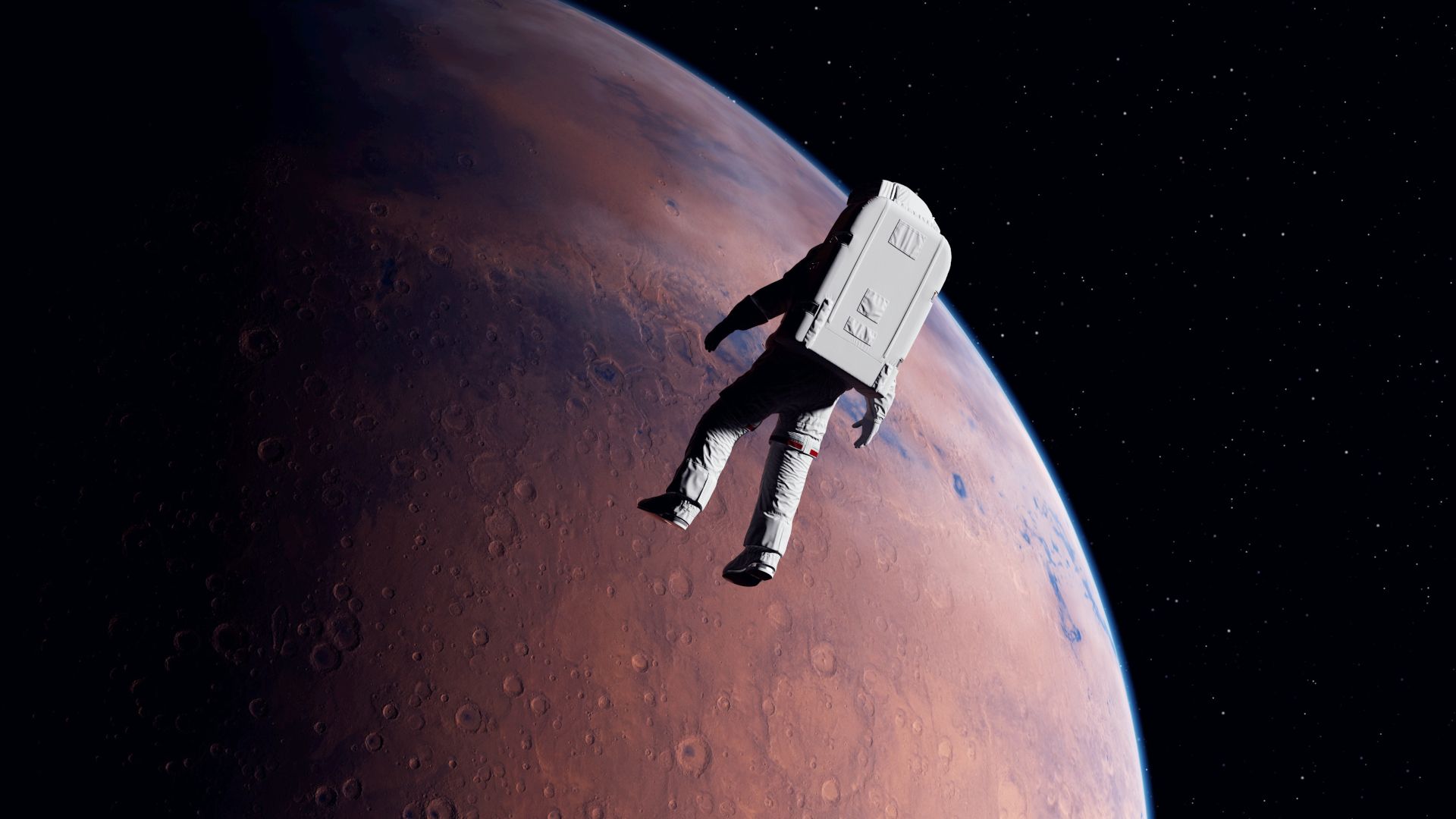
When pressure drops too quickly, nitrogen dissolved in your tissues forms bubbles—identical to the decompression sickness divers get. This can cause joint pain, paralysis, or even death. Science fiction rarely shows this, but it's a real risk during spacewalks if the suit depressurizes rapidly. The bubbles can block blood flow to the brain or heart, leading to a stroke or cardiac arrest minutes after exposure.
8. Explosive Decompression – Rare but Real
While your body won't explode, uncontrolled depressurization can still be violent. If you are near a gaping hole, the rush of escaping air might rip you out of your seat or cause traumatic injury from debris. This is the closest real death in space resembles the Hollywood version. However, the fatal mechanism is blunt force trauma and rapid asphyxiation, not a literal explosion of the torso.
9. Re‐entry Incineration – The Fiery Return
If you somehow survive in space but lack a heat shield, re‐entry into Earth's atmosphere will incinerate you within seconds. Friction heats the air to thousands of degrees, turning you to ash. Science fiction often shows characters surviving by holding on to a spacecraft, but in real physics, the heat would vaporize any exposed material, including human flesh. There is no dramatic jump to safety.
10. Psychological Collapse – The Mind's Own Limits
Perhaps the most overlooked danger is mental breakdown. Prolonged isolation, sensory deprivation, and the crushing void can trigger hallucinations, severe anxiety, or psychosis. While not an immediate physical cause of death, a panicked astronaut might make fatal errors—like opening a hatch or refusing to re‐enter a spacecraft. Science fiction rarely explores the slow, creeping madness that long‐duration spaceflight can actually induce.
Understanding the real ways space can kill us is crucial for survival. From silent asphyxiation to invisible radiation, the hazards are less dramatic but far more dangerous than what movies suggest. Next time you watch a space epic, remember: the truth is both less explosive and more terrifying.